
Case study: DR for risk-based inspection of small-bore piping and dead legs
In late 2025, Gecric Asset Integrity Management Ltd, a professional NDT company in Ghana, implemented a digital radiography (DR) solution as part of a risk-based inspection (RBI) program for offshore piping and pressure equipment. The scope of work focused on small-bore pipework, dead legs, selected firefighting pipelines, and pressure vessel nozzles that were not suitable for ultrasonic testing and therefore required radiographic examination in accordance with the applicable Written Scheme of Examination.
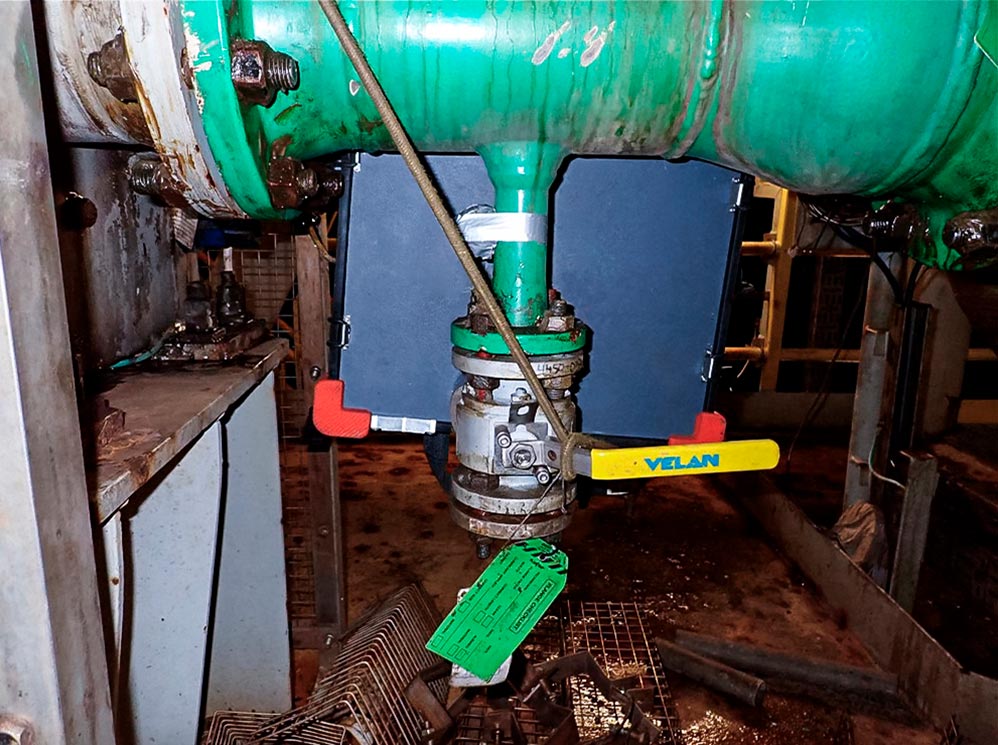
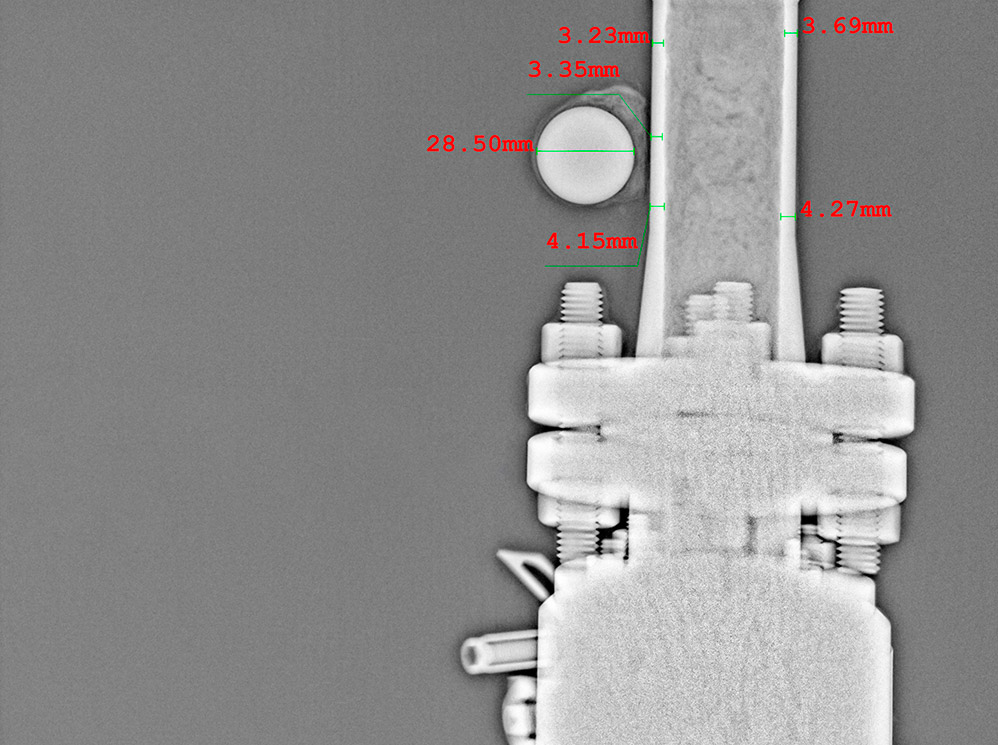
Within the RBI framework, piping corrosion loops and pressure vessels are categorized into high, medium, and low risk classes, with inspection frequencies defined by process conditions, operating pressures, temperatures, and historical performance data. For this campaign, high-risk dead legs were prioritized together with selected nozzles and firefighting lines. The inspection window was scheduled from November 18 to December 15, 2025, requiring a reliable and efficient radiographic solution capable of completing the scope within the limited timeframe.
To execute the planned inspections, the company procured the SCANRAY 2532 complex from DR SYSTEMS, operated in combination with a gamma radiation source Ir-192. The project was carried out by a team consisting of two certified radiographic testing technicians and one IRATA Level 3 rope access technician, enabling safe execution of inspections in elevated and restricted-access areas. The total project duration was 28 days, and the scope was completed successfully within the planned window.
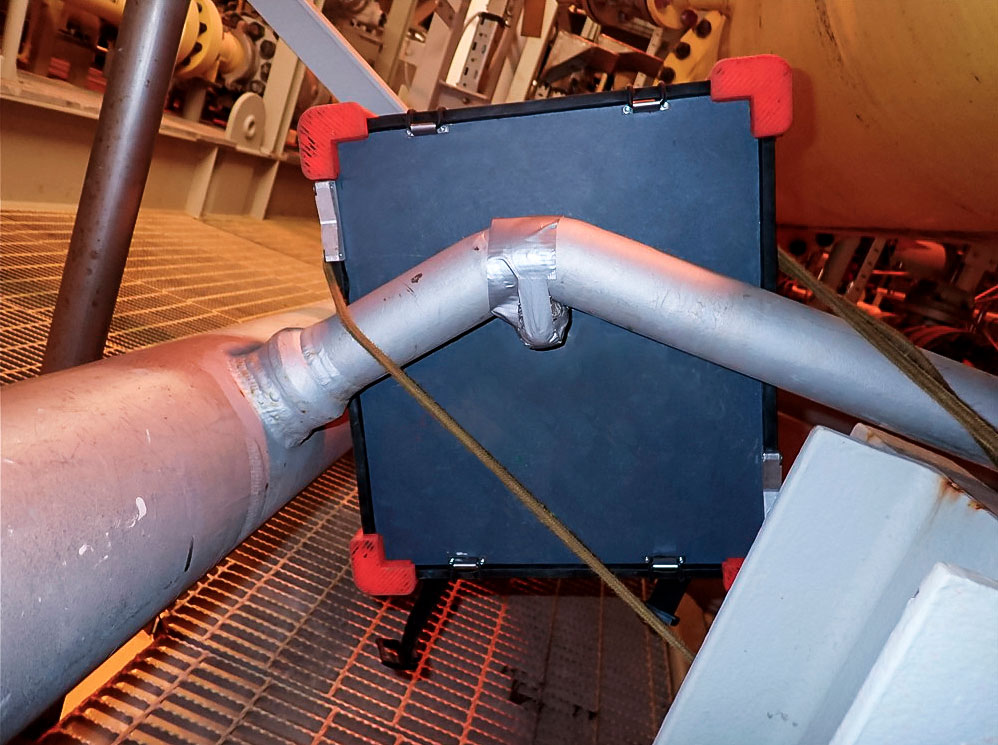
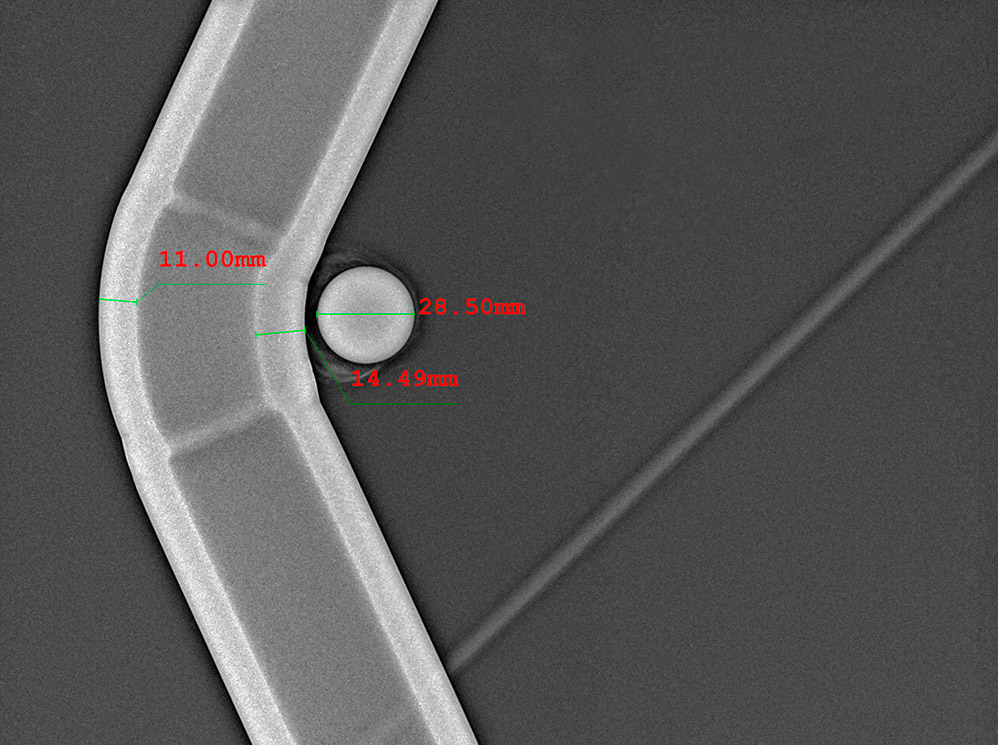
During the field work, the NDT team noted the stable and reliable performance of the DR SYSTEMS equipment. The Wi-Fi connection between the detector and the workstation remained responsive and stable throughout the inspections, with no unplanned interruptions reported. Battery performance was also positively highlighted, as the detector provided more than six hours of effective operation even when low battery warnings appeared, allowing the team to complete set tasks without frequent downtime for recharging.
Moreover, Gecric Asset Integrity Management Ltd positively valued the wireless configuration of the detector that significantly improved portability, particularly during work at height. Communication between the detector and the workstation laptop remained reliable at a sufficient distance outside the radiation area, contributing to safe and convenient operation. Image quality was consistently high, enabling clear interpretation of testing results. Pipe diameters of 2" and 3", including higher schedule pipes with wall thicknesses up to 20 mm, were successfully inspected with clear and well-defined images. Operators enjoyed working with the integrated software DR-SOFT that was intuitive and easy to understand, supporting efficient image acquisition and analysis.
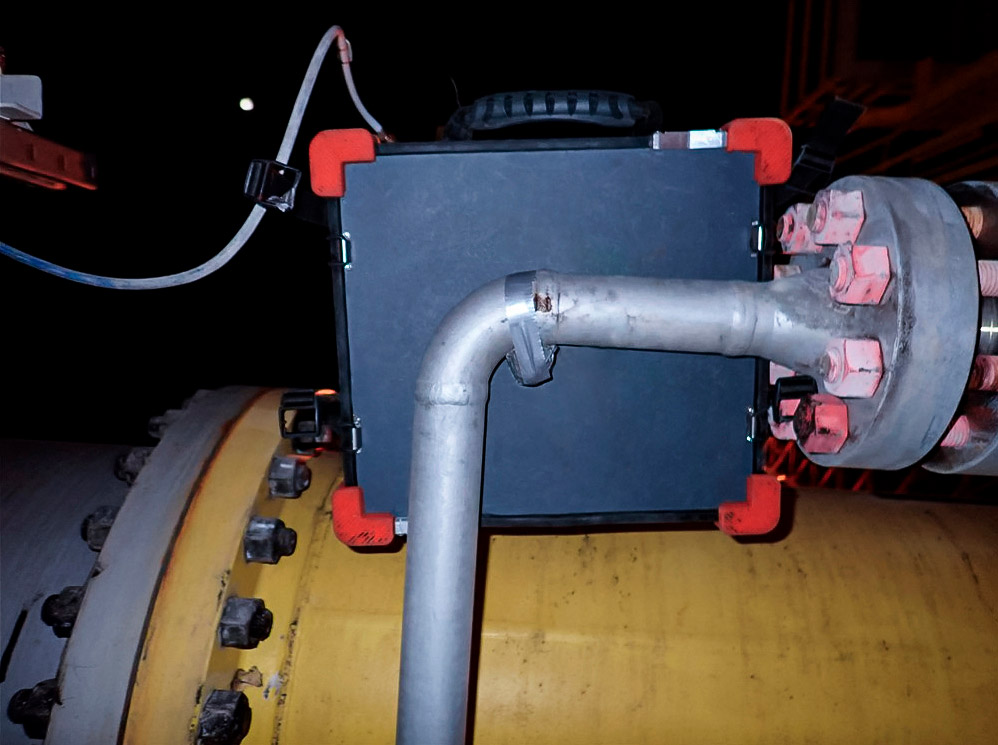
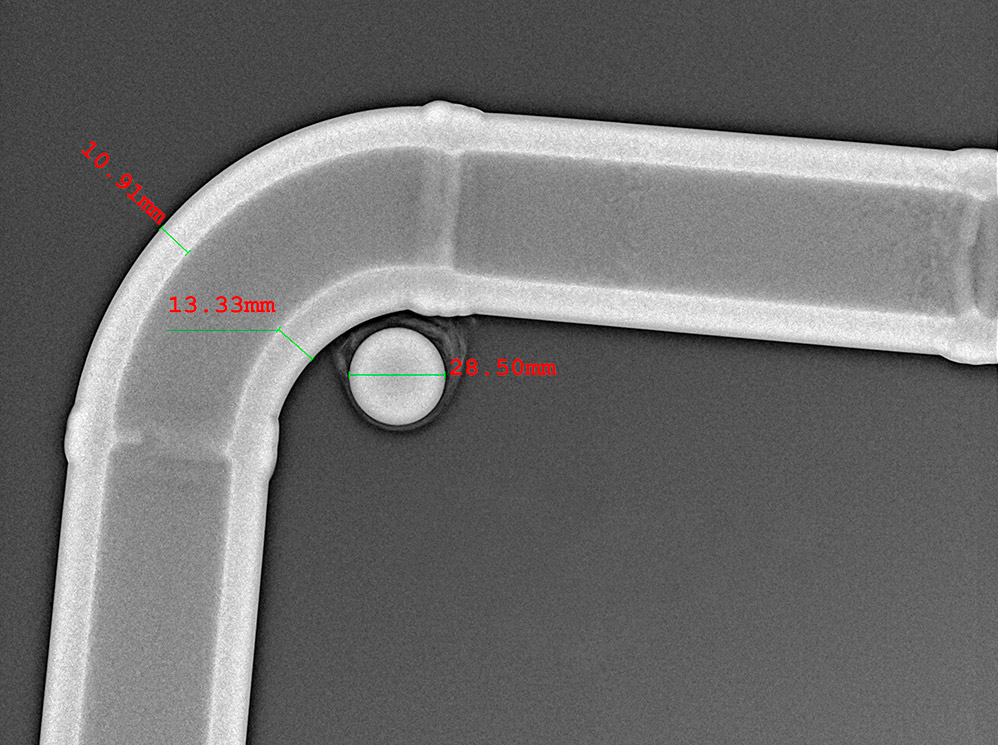
Overall, the project confirmed that our solutions, including the SCANRAY 2532 digital radiography system with Ir-192, are well-suited for RBI-driven inspection programs involving small-bore piping, dead legs, and challenging access conditions. The equipment delivered stable performance, high-quality imaging, and operational flexibility, enabling efficient inspection execution and reinforcing DR as a modern and effective alternative to conventional inspection methods. We are looking forward to more successful projects of Gecric Asset Integrity Management Ltd in Ghana and abroad!